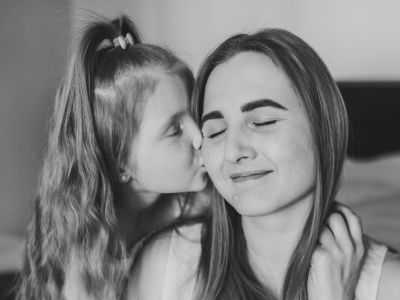
Small acts, big impact: Supporting new parents this Perinatal Mental Health Week

As Australia marks National Perinatal Mental Health Week (22–28 November) and the theme, 'Hold the Parent', Triple P – Positive Parenting Program experts are encouraging communities to recognise the powerful role everyday acts of kindness and connection can play in supporting parents and carers during the early years.
Professor Alina Morawska, co-author of Triple P for Baby and Director of The University of Queensland's Parenting and Family Support Centre said the awareness week serves as a timely reminder that supporting children begins with supporting the adults who care for them.
“Approximately one in five new mums and one in ten fathers or non-birthing partners experience perinatal anxiety or depression,” Dr Morawska said.
“While recent research from The University of Queensland suggests parental distress often peaks around two weeks after birth – findings which highlight the importance of connection and care from the earliest days of parenthood.”
“When we talk about welcoming a baby, we also need to remember the wellbeing of the parent or carer,” she said.
“Parents who feel supported and connected are better able to navigate the challenges of early parenthood and create the kind of calm, nurturing environment where children and the entire family can thrive.”
“For families in regional and remote communities, support is not always close by. Many families travel long distances for appointments, have fewer local parenting services and fewer opportunities to connect with other parents, while family and support networks may be hundreds of kilometres away,” Dr Morawska said.
“That's why community connections matter. Friends, neighbours, grandparents, schools, playgroups and community groups can all help parents feel more connected, better supported and less alone – important protective factors during a period of significant change and adjustment.”
“Most of us know a new parent, which means most of us have an opportunity to make a difference. It's often the smallest gestures, encouragement or practical support that have the biggest impact and can help parents feel seen, supported and less alone,” she said.
Triple P’s five small ways to make a big difference
- Ask "How are you really going?" and take time to listen.
- Offer to drop off a coffee, cuppa or meal, or offer practical help with daily tasks.
- Send a text message to check in.
- Offer a lift to an appointment or activity.
- Invite a new parent or carer into a local group, playgroup, online chat, sporting club or community activity.
“In addition to support from family, friends and the wider community, parents and carers also benefit from knowing where to turn when they need additional guidance or help,” she said.
“Having early access to trusted, evidence-based support, including free programs such as Triple P Online for Baby, can make a real difference for families. That's why continued investment in accessible perinatal mental health and parenting support services is so important, particularly for regional and remote communities where support options may be more limited.”
“When parents and carers are surrounded by support, whether that's from loved ones, local communities, health professionals, schools or parenting programs, families are stronger, children thrive, and communities become more connected. That's something all of us can help create,” Dr Morawska said.
For parents or carers who may be struggling, contact your doctor, health professional or a support line like Lifeline on 13 11 14, or The Gidget Foundation on 1300 851 758.