Worried kids, big feelings: How supportive parenting can ease NAPLAN anxiety
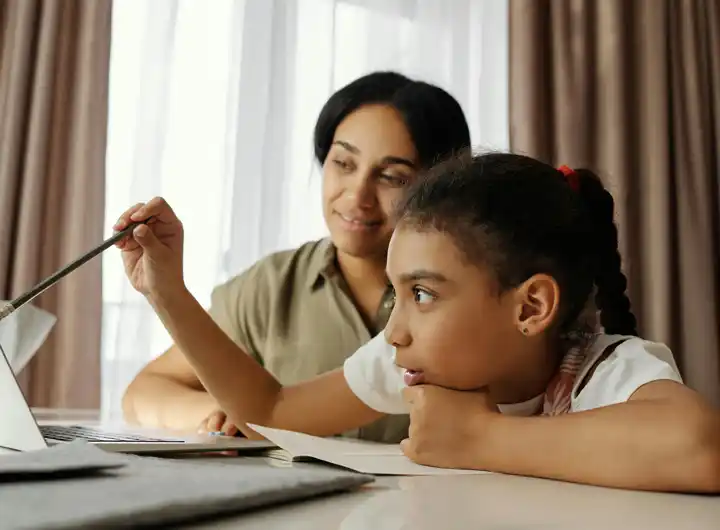
As thousands of students across Australia prepare for the annual NAPLAN testing, some families may be noticing changes in their child’s behaviour or signs of worry. Triple P – Positive Parenting Program experts say now is a good time for parents and carers to help children feel calm, steady, and supported ahead of test week.
Triple P International Country Director, Carol Markie-Dadds, said that it’s common to feel apprehensive or anxious when it comes to tests. Many children understand they’re being evaluated, that there’s a time limit for the test, and that they want to do their best.
“The good news is that with the right guidance, children can learn to handle those tricky feelings and build confidence over time,” said Ms Markie-Dadds.
“Tests are a normal part of life, and some anxiety is expected. Younger children may need more support during this time to develop their coping skills, and as they grow, parents can guide them toward more independence, helping build their life skills and resilience,” she said.
Research shows that when parents and carers have a calm, consistent response to anxiety, it can strongly influence how their family handles challenging situations.
“Every family wants the best for their young learner, but parents and carers can unintentionally add to their child’s unease by over-talking a test or assuming they feel nervous,” Ms Markie-Dadds said. “Even subtle reassurances like squeezing their hand as you enter the classroom can send the message that there’s something to fear.”
A few small, everyday strategies can make a big difference to test-time worries and build stronger family connections.
Triple P’s tips for navigating NAPLAN nerves
- Highlight tests as just one part of learning. When adults are calm and positive, children often follow their lead. Modelling reassurance helps to view tests as a normal learning experience, not something to dread.
- Use everyday moments for a quick check-in. A relaxed chat in the car, at bedtime, or over a meal can help children put feelings into words. When kids feel heard and understood, it strengthens their sense of security and emotional wellbeing.
- Explore small ways to settle nerves. Let children know that any concerns can be positively managed, and together, come up with some solutions. This might include slow breathing, listening to music, or reading to help relax.
“Once the testing is done, ask children how they felt during the test. What coping strategies did they use?” said Ms Markie-Dadds. “And it's important to praise your child for their effort rather than the result. The most powerful message we can give our young people is that a test does not define their worth and that their wellbeing matters most.”
Children with high levels of anxiety or other mental health concerns can feel overwhelmed in the lead-up to NAPLAN. If anxiety is impacting your child’s day-to-day life, consider speaking with a GP, seeking professional help, or trying Triple P’s evidence-based program Fear-Less Triple P Online.